Category:
Middleware
Client:
Reliance Industries Limited
Vision
The project aims to migrate the existing TIBCO-based integration platform to an open-source software stack while maintaining seamless connectivity with SAP, databases, file servers, web services (SOAP & REST), and external partners such as customers, vendors, government agencies, and public sector companies. This migration seeks to reduce licensing costs, enhance flexibility, improve scalability, and ensure long-term sustainability.
Approach
Assessment & Planning
Conduct an in-depth analysis of the existing TIBCO-based integration landscape.
Identify mission-critical integrations and dependencies.
Evaluate suitable open-source alternatives (e.g., Apache Camel, WSO2 or Spring Integration).
Define a migration roadmap with minimal business disruption.
Implementation & Execution
Develop a phased migration strategy starting with non-critical integrations.
Establish a hybrid approach where TIBCO and the open-source platform coexist during the transition.
Ensure seamless migration of SOAP & REST APIs, SAP connectors, database integrations, and file transfers.
Implement security best practices, including OAuth, SAML, SSO, and MFA for identity management.
Automate testing to validate functionality and performance post-migration.
Optimization & Go-Live
Optimize APIs and message processing pipelines for high performance.
Conduct load testing and fine-tune the system.
Monitor post-migration performance and address any issues.
Provide training and documentation for internal teams.
Challenges & Complex Problems
Data & Process Complexity: Ensuring smooth migration of workflows and business logic from TIBCO to the new platform without functional discrepancies.
Security & Compliance: Maintaining regulatory compliance while implementing authentication mechanisms like OAuth, SAML, and JWT.
Performance Optimization: Ensuring that message processing and API response times meet business SLAs.
Integration Compatibility: Handling different message formats, protocols, and adapters during the transition.
Change Management: Training IT teams and stakeholders to adapt to the new system efficiently.
Solutions & Best Practices
Incremental Migration: Move integrations in phases to minimize risks.
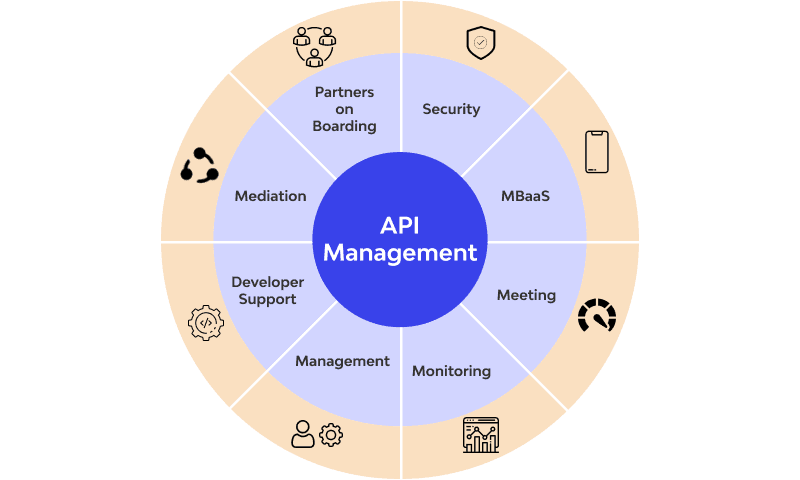
API Gateway Implementation: Introduce a robust API gateway (e.g., Azure API Management, WSO2 API Manager, or Apigee) to centralize traffic management.
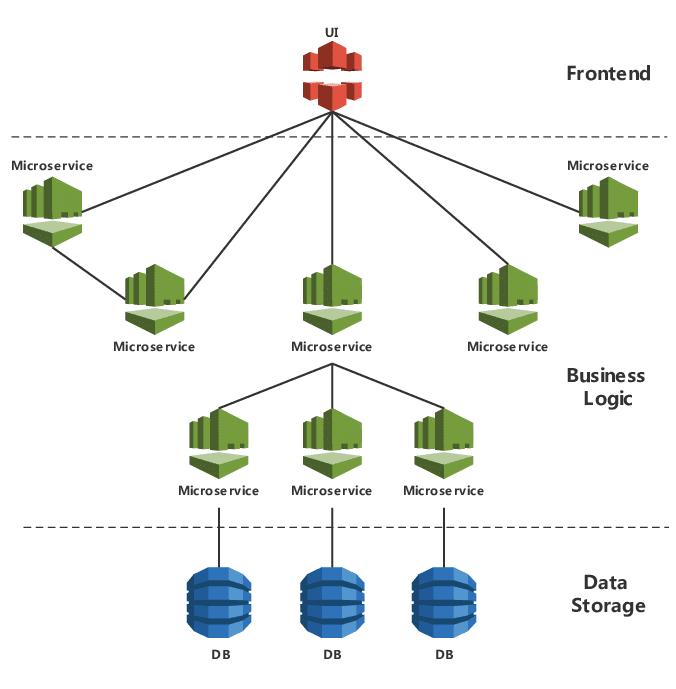
Cloud-Native Approach: Leverage containerized microservices (Docker, Kubernetes) for scalability and reliability.
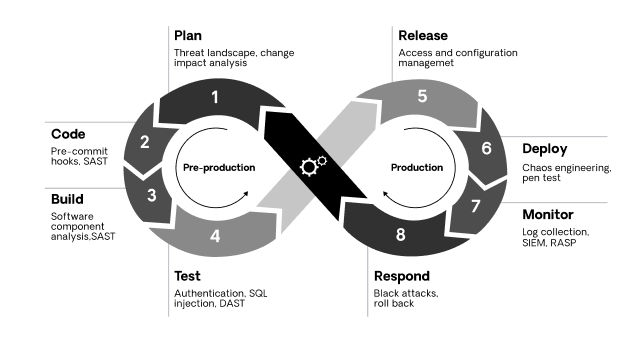
CI/CD for Deployment: Automate deployment pipelines to accelerate delivery and minimize errors.
Monitoring & Observability: Implement tools like Prometheus, Grafana, and ELK Stack for real-time monitoring and logging.
User-Centric Design, Accessibility & Optimization
Unified Developer Experience: Provide API documentation, self-service portals, and clear onboarding processes.
Performance Enhancements: Use caching, asynchronous processing, and message queues (Kafka, RabbitMQ) for better efficiency.
Automation: Implement CI/CD automation to publish API on API Manager via Open API Specification 3.0
Technologies Used
Spring Integration
Kubernetes / Docker
Nexus
Kafka
MySQL
Redis
WSO2 API Manager
Mirth Connect
Elastic, Log stash, Kibana, APM
Ant/Groovy
Conclusion
This migration project is a strategic move towards an open, cost-effective, and future-ready, cloud native integration platform. It enables better agility, security, and performance while ensuring business continuity and compliance. By leveraging cutting-edge open-source technologies, organizations can achieve significant cost savings, operational efficiency, and seamless digital transformation.